If employees are not offered continuing development, they will not:
feel valued
be able to provide creative, innovative results
grow their skills so they can progress to the next level in the organization
If employees are not offered continuing development, they will not:
feel valued
be able to provide creative, innovative results
grow their skills so they can progress to the next level in the organization
A balanced training program should address both sides of the skill deficiency or issue in order to really help provide a change in behaviors, thus a change in culture.
Much like a simulator for pilots, creating a simulated work experience for leadership roles could actually help train and prepare more junior staff for roles they are working toward.
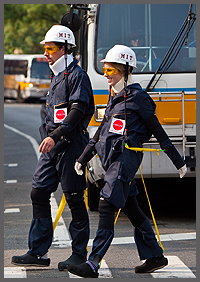
Human predators operate in much the same way. Their ideal target too exhibits the three elements that make them “a victim looking for a place to happen”; lack of awareness of surroundings, predictability of schedule, and placing themselves alone in an isolated environment.
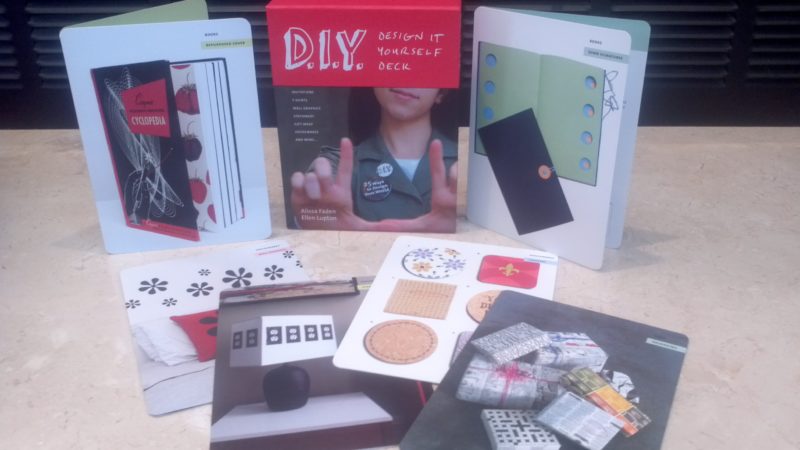
Using the idea of a do-it-yourself deck, I’d love to create a tool for leaders so they could pull out a card, a recipe of sorts, to find ideas on how to handle situations that arise.
As a working professional, I know that both time and dollars are limited. That’s why it’s so important to find local courses, conferences, and other learning opportunities that are a good use of both your time and your money. As I’ve written before, training comes in many forms and for me, the type with the most impact is experiential learning. One I personally believe in and participate in are the Conference Board’s Leadership Experiences.
Companies today tend to put all their eggs in one basket and focus predominantly on training. But is that the best strategy? Isn’t on-the-job learning the best way to teach someone how to lead?
Training to combat a specific problem or situation in the workplace should be no different. There needs to be skill development for employees on both sides of the issue.